Research
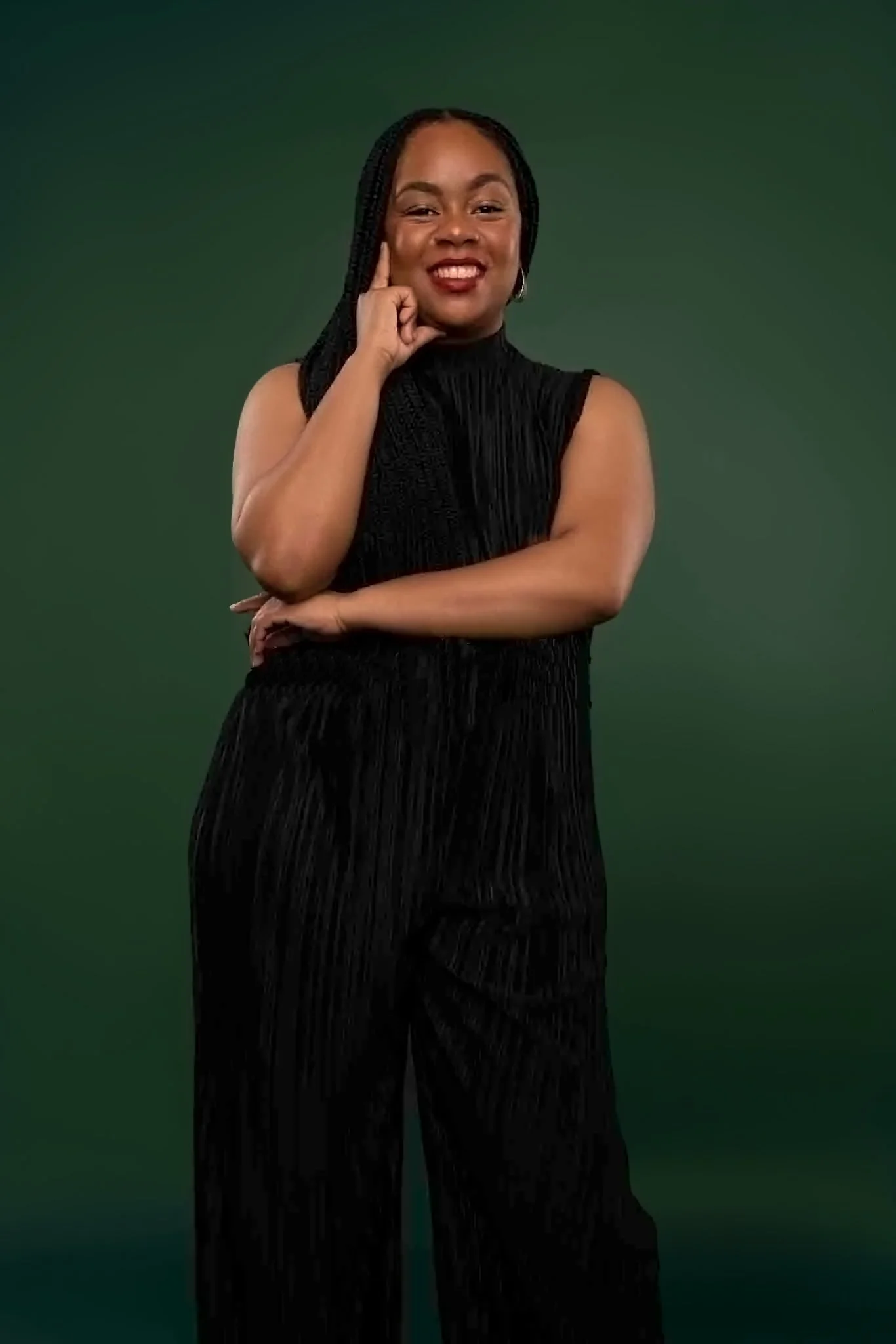
I am a sociologist trained in qualitative methods who uses innovative theoretical frameworks to understand the challenges facing Black people across the diaspora. My primary areas of expertise include race and racism, urban communities, and education. My secondary areas of focus are historical sociology, qualitative research methods, and Du Boisian sociology. My research examines the sensemaking, resistance, and leisure of Black people in urban communities. Specifically, I use qualitative methods to explore the ways Black people interact with (and within) urban institutions to generate knowledge and resist discrimination, while also creating places to just (safely) be. My present research has been awarded over $30,000 of funding from several competitive sources at the University of Cincinnati (UC). Below I preview some of my current and ongoing work.
-
Veiled Schools: A Comparative Historical Analysis of Place Making in Majority Black High Schools in the South
My current project is a qualitative case study which uses a combination of interview and archival data to explore the process of Black placemaking in two majority Black high schools in a midsize city in East Tennessee. This project has been funded by the Taft Graduate Summer Fellowship and the Competitive Dissertation Fellowship through the Charles Phelps Taft Research Center at University of Cincinnati.

-
‘We’re Not Taught the Full Story’: Black Students’ Mistrust of Secondary School U.S. History Curricula
This paper, co-authored with Dr. Derrick R. Brooms, has been published in Race Ethnicity and Education.
Drawing on data from a qualitative study on Black first year college students’ sense making of their experiences with secondary school U.S history curricula, we explore how the miseducation of Black students (in the form of whitewashed, distorted, and antiblack depictions of history) in such courses results in curricula mistrust. The article concludes with recommendations to remedy the mismanaged trust of Black students in secondary school U.S. history courses through inclusionary and culturally relevant practices.

-
Southern BlaQ Embodied Placemaking
This paper is co-authored with Dr. Brittney Miles has been published in the International Journal of Qualitative Studies in Education.
This paper uses RuPaul's Drag Race to theorize how Black southern drag queens on the show construct a narrative of the Black South in the United States through embodied placemaking. Embodied placemaking contextualizes the dual construction of the body and place together. We use a content analysis of the show to explore Drag and the South as a center of Black creativity, Black knowledge production in the United States, and a site of unapologetic queer joy.

-
Between Pride and Pity: Black Students' Affect and Cultural Mistrust of U.S. History Curricula.
This chapter, co-authored with Dr. Anthony J. Stone Jr., has been published in Impacts of Cultural Mistrust in Education, Work, and Identity Politics, edited by C. Sloss and M. Grier. Hershey, PA: IGI Global Scientific Publishing.
This chapter explores how Black students’ experiences learning about Black history in secondary school courses result in a culture of mistrust toward education and affectual responses of pride or pity. BlackCrit scholars studying education have noted the numerous ways racism has been normalized within societal and school based settings, perpetuating the suffering Black students endure. The chapter uses the interdisciplinary concept affect to explore the psycho- social impact that limited histories have on how participants feel about their education and personhood as Black people.